
Caffeine for Endurance Performance
Should caffeine be part of your race strategy?
Caffeine is one of the most widely used and effective performance aids in endurance sport. Caffeine primarily works to enhance performance through three key mechanisms:
- Reduced perception of effort – exercise feels easier at a given intensity
- Increased alertness and focus – especially important late in long events
- Improved muscle function – via increased calcium availability in muscle
While caffeine can increase fat mobilisation, this is unlikely to meaningfully improve performance. The main benefits come from its effects on the brain and nervous system.
When to use caffeine
For long-course events, caffeine is most effective when used strategically during the event, particularly in the later stages when fatigue builds.
- Blood caffeine levels peak ~40–60 minutes after ingestion
- Smaller, repeated doses are often more effective than one large dose
How much to take
A practical guideline is:
- ~3 mg/kg body weight total (e.g. ~200 mg for a 70 kg athlete)
- Delivered in smaller doses (e.g. ~80–100 mg at a time)
More is not always better, higher doses do not consistently improve performance and may increase side effects.
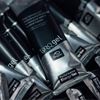
TORQ Energy Gels (caffeinated) contain 89mg of caffeine and TORQ Cola Energy Drink contains 100mg per 500ml.
Individual response matters
Athletes respond very differently to caffeine. Some experience clear performance benefits, while others may feel anxious, jittery, or overstimulated.
It’s essential to trial caffeine in training, including timing and dose, before using it in competition.
Key takeaway
Caffeine is most effective when used to maintain focus and reduce fatigue late in an event, alongside a well-executed carbohydrate fuelling strategy.
Read more about caffeine, here.
LCW subscribers can save on TORQ with the discount code LCW12, giving you up to 30% off. Code valid til 31st December 2026.
You May Also Like...

INTRODUCING TORQ 1:1 PROTO
Fuelling science just levelled up. TORQ's new 1:1 PROTO range unlocks 120g+ carbs/ho…

Marathon Day Nutrition: Simple, Effective, Proven
TORQ's expert guide covers everything from your pre-race meal to mid-race fuelling s…
Marathon Training Nutrition: The Essentials
TORQ breaks down how to fuel your marathon training — not just the race itself. Long…